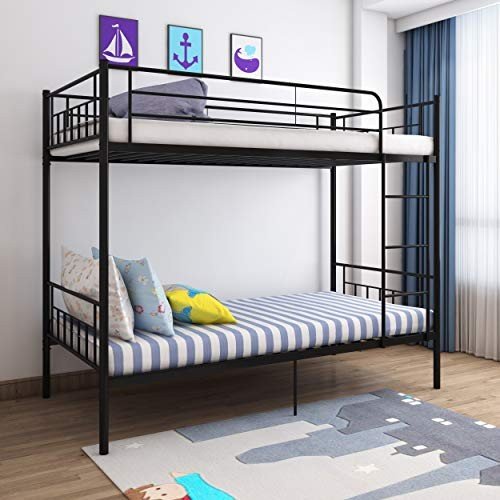
The World of Kids Bunk: A Playground of Creativity and Imagination
Children have an innate ability to develop and transform their environments, turning the most regular spaces into magical worlds of play. One such improvement is the principle of "kids bunk," a term that incorporates a range of DIY and store-bought creations developed to make a child's space a complex backyard. Whether it's a fort made from pillows and blankets, a carefully built treehouse in the backyard, or a customized loft bed with a slide, kids bunks are more than just places to sleep; they are sanctuaries where imagination thrives.
What is a Kids Bunk?
A kids bunk is a multifunctional area created specifically for children. It can be an easy bunk bed, a fancy fort, or a mix of both. These areas are frequently created to take full advantage of the energy of a child's room while supplying a distinct and engaging environment for play and relaxation. Kids bunks can be as simple or as complex as the child or their moms and dads desire, varying from a standard platform bed with a curtain to a full-scale play house with multiple levels, secret hideouts, and interactive elements.
The Benefits of Kids Bunks
Stimulation of Creativity and Imagination
- Kids bunks foster a sense of creativity and imagination. When children are provided the liberty to design and build their own spaces, they develop analytical skills and a deeper understanding of their environment. These areas end up being phases for unlimited adventures and stories, improving their cognitive development.
Space Optimization
- In numerous homes, especially those with restricted square video footage, kids bunks are a practical option for taking full advantage of space. By elevating the sleeping area, they free up flooring space for other activities, such as studying, playing, or keeping toys and books.
Social Development
- Kids bunks often function as social hubs, where children can welcome buddies over to play and explore. bunk bed cheap strengthens relationships but also helps in developing social abilities such as cooperation, communication, and sharing.
Security and Security
- Lots of moms and dads are concerned about the security of bunk beds, but modern styles and products have made them much more secure. With proper setup and security functions like guardrails and sturdy frames, kids bunks can supply a safe and comfy environment for children.
Self-reliance and Responsibility
- Having a customized area encourages children to take duty for their environment. They discover to keep their bunk tidy, organize their possessions, and preserve the safety of their play area.
Types of Kids Bunks
Bunk Beds
- Standard Bunk Beds: These are the classic two-tiered beds, frequently made from wood or metal. They are a fantastic alternative for brother or sisters sharing a room.
- Loft Bunks: These beds are elevated greater off the ground, typically with a desk or play location underneath. They are perfect for single children who require more area for activities.
- Trundle Bunks: These beds have an extra pull-out bed below, perfect for slumber parties and accommodating additional visitors.
Do It Yourself Forts and Hideouts
- Blanket Forts: A timeless preferred, these can be constructed using furnishings, pillows, and blankets. They are simple to build and dismantle, making them a versatile choice.
- Wood Forts: For a more irreversible and long lasting structure, wooden forts can be constructed in the yard or within a room. They often include features like a ladder, slide, and secret compartments.
- Indoor Treehouses: These are raised platforms that can be integrated with a bed or used as a standalone play location. They can be decorated with lights, curtains, and other accessories to create a magical atmosphere.
Custom-Built Bunks
- Themed Bunks: These are designed to match the child's interests, such as a pirate ship, castle, or spaceship. They can be customized or bought from specialty shops.
- Multi-Functional Bunks: These bunks integrate sleeping locations with other functions like a reading nook, storage systems, and a play deck. They are designed to satisfy the varied needs of growing children.
How to Choose the Right Kids Bunk
Consider the Child's Age and Size
- Guarantee the bunk is proper for the child's age and size. Younger children may take advantage of a loft bed with a desk underneath, while older children may prefer a more fancy fort or treehouse.
Safety Features
- Try to find bunks with security functions such as guardrails, non-slip steps, and strong building. It's likewise crucial to follow the maker's assembly directions and guidelines.
Area and Layout
- Measure the space and consider the layout. A bunk bed that fits well and complements the existing furniture can boost the total performance of the area.
Material and Durability
- Select products that are safe and long lasting. Wood is a popular choice for its strength and visual appeal, while metal can be more economical and easier to preserve.
Visual and Personalization
- Think about the child's choices in terms of color, theme, and style. Customizing the bunk can make it more interesting and engaging for the child.
Do it yourself vs. Store-Bought Bunks
Do it yourself Bunks
- Pros: Customizable to the child's preferences, can be a fun task to deal with together, typically more affordable.
- Cons: Requires time, skill, and materials, might not be as resilient or safe as store-bought choices.
Store-Bought Bunks
- Pros: Generally more resilient and safer, featured assembly guidelines, a wide variety of designs and styles.
- Cons: Can be more expensive, less adjustable, may use up more area.
Tips for Building a DIY Kids Bunk
Plan and Design
- Start by strategizing the style and considering the available space. Decide on the materials and tools you will need.
Security First
- Ensure the structure is steady and secure. Use high-quality products and consider adding safety features like guardrails and non-slip actions.
Engage the Child
- Involve the child in the structure procedure. This can be an enjoyable and educational experience, and it will make the bunk more significant to them.
Embellish and Personalize
- Include individual touches like curtains, lights, and decors to make the bunk seem like an unique place. Think about styles that the child loves, such as superheroes, princesses, or animals.
Regular Maintenance
- Check the bunk routinely for any signs of wear and tear. Ensure that it remains safe and safe over time.
Frequently Asked Questions About Kids Bunks
Are bunk beds safe for children?
- Yes, bunk beds can be safe for children when they are effectively put together and equipped with safety functions like guardrails and non-slip actions. It's likewise important to supervise children and teach them how to use the bunk bed safely.
How much area do I need for a kids bunk?
- The space needed varies depending on the type and size of the bunk. A traditional bunk bed normally requires a minimum of 8 feet by 5 feet of area, while a loft bed or customized fort may need more or less depending on the style.
What are the very best materials for a DIY kids bunk?
- Wood is a popular option for DIY bunks due to its strength and visual appeal. Pine and birch are affordable choices, while oak and maple provide more resilience. Metal can also be utilized for a more industrial appearance.
Can I construct a kids bunk myself?
- Yes, many moms and dads pick to build DIY bunks themselves. It's a rewarding job that can be tailored to the child's choices. Nevertheless, it's crucial to have the required skills and tools, and to follow security guidelines.
For how long do kids bunks last?
- Sound kids bunks can last for many years. With routine upkeep and care, they can be given to younger siblings or repurposed as the child ages.
Kids bunks are more than just a place to sleep; they are a gateway to a world of imagination and creativity. Whether you select a store-bought bunk bed, a DIY fort, or a custom-made backyard, the secret is to develop a space that is safe, functional, and customized to the child's interests. By providing an unique and interesting environment, kids bunks can assist children develop essential skills and foster a sense of independence and responsibility. So, why not turn that regular bed room into an extraordinary playland today?
Extra Resources
- Books on DIY Projects for Kids: "The Big Book of Forts" by Ryan S. Johnson and "365 Things to Make and Do" by Usborne.
- Online Tutorials and Inspiration: Websites like Pinterest, YouTube, and DIY blogs provide a wealth of concepts and step-by-step guides for developing kids bunks.
- Safety Guidelines: The Consumer Product Safety Commission (CPSC) offers extensive safety standards for bunk beds and play structures.
By exploring the world of kids bunks, moms and dads can create an area that not just satisfies the functional requirements of their children but likewise supports their imagination and joy.